Dreaming of cat: what does this dream mean?
In short
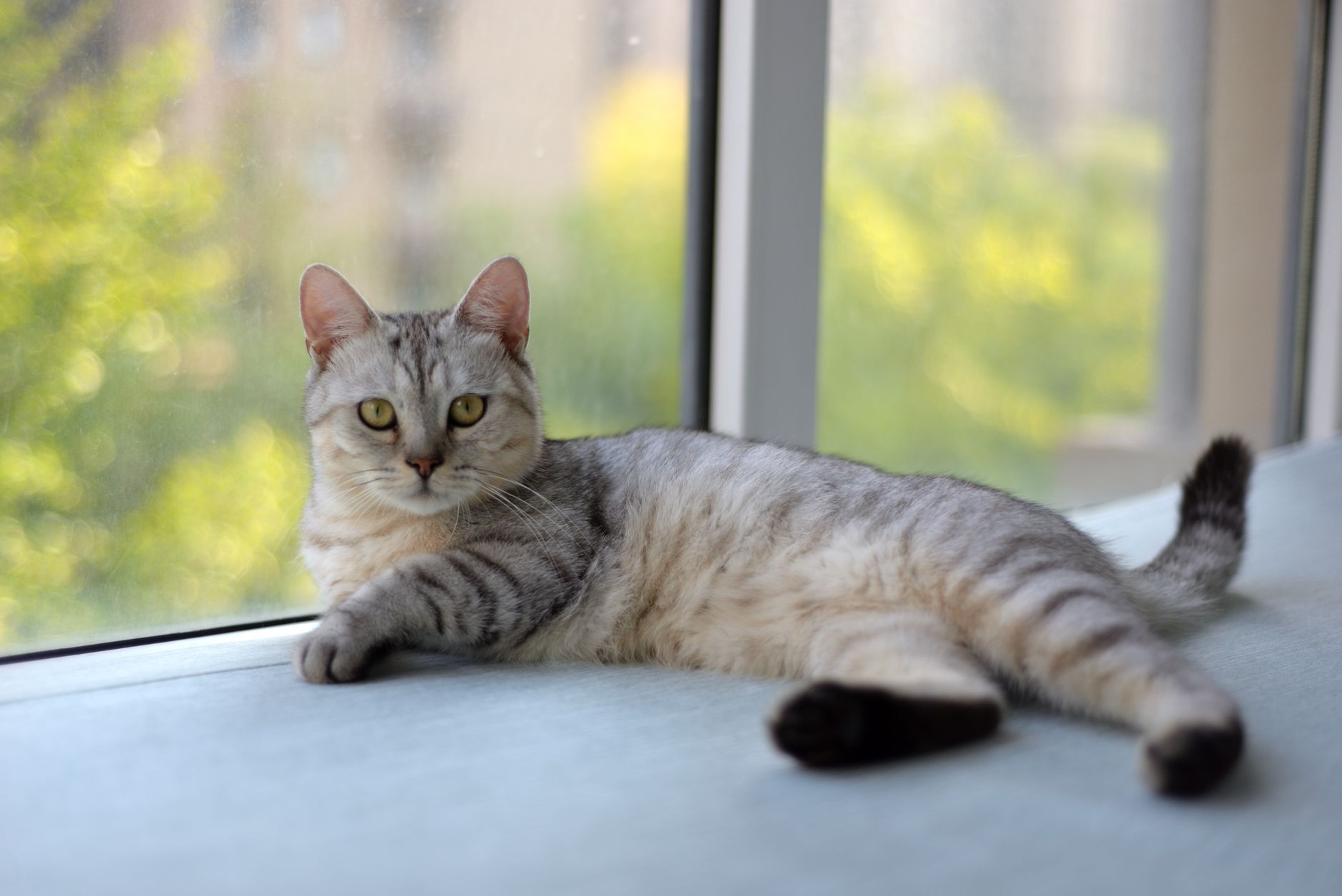
Cats are among the most frequently reported animal symbols in dreams across English-speaking cultures. Their dual nature — simultaneously domestic and wild, affectionate and aloof, nurturing and predatory — makes them potent carriers of psychological ambivalence. Dreaming of a cat rarely delivers a single, clean message; instead it opens a question about the dreamer's relationship to independence, intuition, sensuality, and hidden or suppressed aspects of the self. Whether the cat appears as a purring companion, a hissing stranger, or a silent watcher in the corner of the room, its presence invites the dreamer to examine what they keep close but never fully control.
What are the interpretations of this dream?
Psychoanalytic interpretation (Freud, Jung)
According to Sigmund Freud
For Freud, animals in dreams typically represent instinctual drives that the ego has sought to domesticate or repress. The cat — soft, self-willed, and associated in Western culture with feminine sexuality — would be read through the lens of libidinal energy that resists full civilisation. A dreamer who fears the cat or watches it escape may be experiencing anxiety about desires or impulses that feel uncontrollable. Freud's framework, outlined in 'The Interpretation of Dreams' (1900), emphasises the animal as a condensed symbol of the id: the cat's notorious independence maps directly onto drives that refuse to be housebroken by social expectation.
According to Carl Gustav Jung
Jung assigned considerably richer archetypal weight to the cat. Drawing on Egyptian mythology — where the cat goddess Bastet embodied feminine power, grace, and the protection of the household — Jung linked the dream cat to the anima in male dreamers and to shadow material in female dreamers. The cat's nocturnal habits connect it to the unconscious itself: it sees in the dark, moves silently, and returns to the wild at will. In 'Man and His Symbols' (1964), Jung's collaborators elaborate how animal figures in dreams often embody the Self's attempt to integrate instinctive knowledge that rational waking consciousness has sidelined. A black cat appearing at a threshold is a classic Jungian image of the shadow knocking at the boundary between known and unknown.
Traditional and oneirocritic interpretation
In the Western oneiromantic tradition — drawing on sources such as Artemidorus' 'Oneirocritica' and its later Renaissance commentators — a cat appearing in a dream was a sign of cunning, concealment, and unpredictable fortune. The English folk tradition, recorded in various 19th-century dream almanacs, held that a friendly cat promised a loyal but temperamental companion entering the dreamer's life, while a scratching or biting cat foretold treachery from someone trusted. A litter of kittens was widely associated with petty worries multiplying beyond what they initially appeared to be. Killing a cat in a dream, by contrast, was taken as an omen of overcoming a covert enemy.
According to cultural and religious traditions
Tradition Ancient Egyptian
The cat was sacred to Bastet, goddess of the home, fertility, and protection. To dream of a cat was considered highly auspicious — a sign of divine guardianship and the benevolent intervention of feminine cosmic power. Killing a cat, even in a dream, was considered deeply inauspicious and potentially sacrilegious.
Tradition European Christian (Medieval)
Medieval Christian tradition, particularly in England and France, associated cats — especially black cats — with witchcraft and the devil. A dream featuring a black cat could be interpreted as a warning of malevolent spiritual influence or the proximity of deception. This cultural layer persists in contemporary English superstition around black cats crossing one's path.
Tradition Japanese (Maneki-neko tradition)
In Japanese folk belief widely known in anglophone popular culture, the beckoning cat (Maneki-neko) is a symbol of good fortune and welcome. Dreaming of a cat raising its paw is interpreted by practitioners of this tradition as an omen of incoming luck, prosperity, or a beneficial stranger entering one's life.
Dreaming of cat: what does the context mean?
| Dream situation | Interpretation |
|---|---|
| A cat that is purring and friendly | Suggests a comfortable relationship with one's intuitive, independent side. May indicate the dreamer is at ease with solitude, self-sufficiency, or a feminine aspect of the psyche. Can also point to a rewarding but somewhat self-contained relationship in waking life. |
| A hissing or attacking cat | Points to a relationship or aspect of the self that feels threatening and unmanageable. The hissing cat often represents repressed anger — either the dreamer's own suppressed aggression, or hostility they are receiving from someone who presents a gentler face in public. Ann Faraday, in 'The Dream Game' (1974), links aggressive animal dreams to the dreamer's unacknowledged emotional conflicts. |
| A stray or abandoned cat | Frequently connected to feelings of neglect — either the dreamer neglecting their own needs, creativity, or intuitive faculties, or a sense that something vulnerable in them has been left without care. Ernest Hartmann's work on the continuity hypothesis suggests such images echo emotional preoccupations about belonging and being uncared for. |
| A black cat appearing at a door or window | A liminal image with strongly ambivalent connotations. The threshold position emphasises the boundary between the known self and unknown unconscious material. In Jungian terms this is a shadow encounter: something the dreamer has avoided is requesting entry. Whether that content is ultimately enriching or threatening depends on the broader dream atmosphere. |
| Many cats overwhelming the dreamer | Calvin S. Hall's quantitative research on dream content ('The Meaning of Dreams', 1953) found that dreams of being overwhelmed by multiplying animals frequently correlate with feelings of being inundated by small but persistent demands or worries. Multiple cats may represent obligations, anxieties, or fragments of the self pulling in incompatible directions. |
What does cat symbolize in dreams?
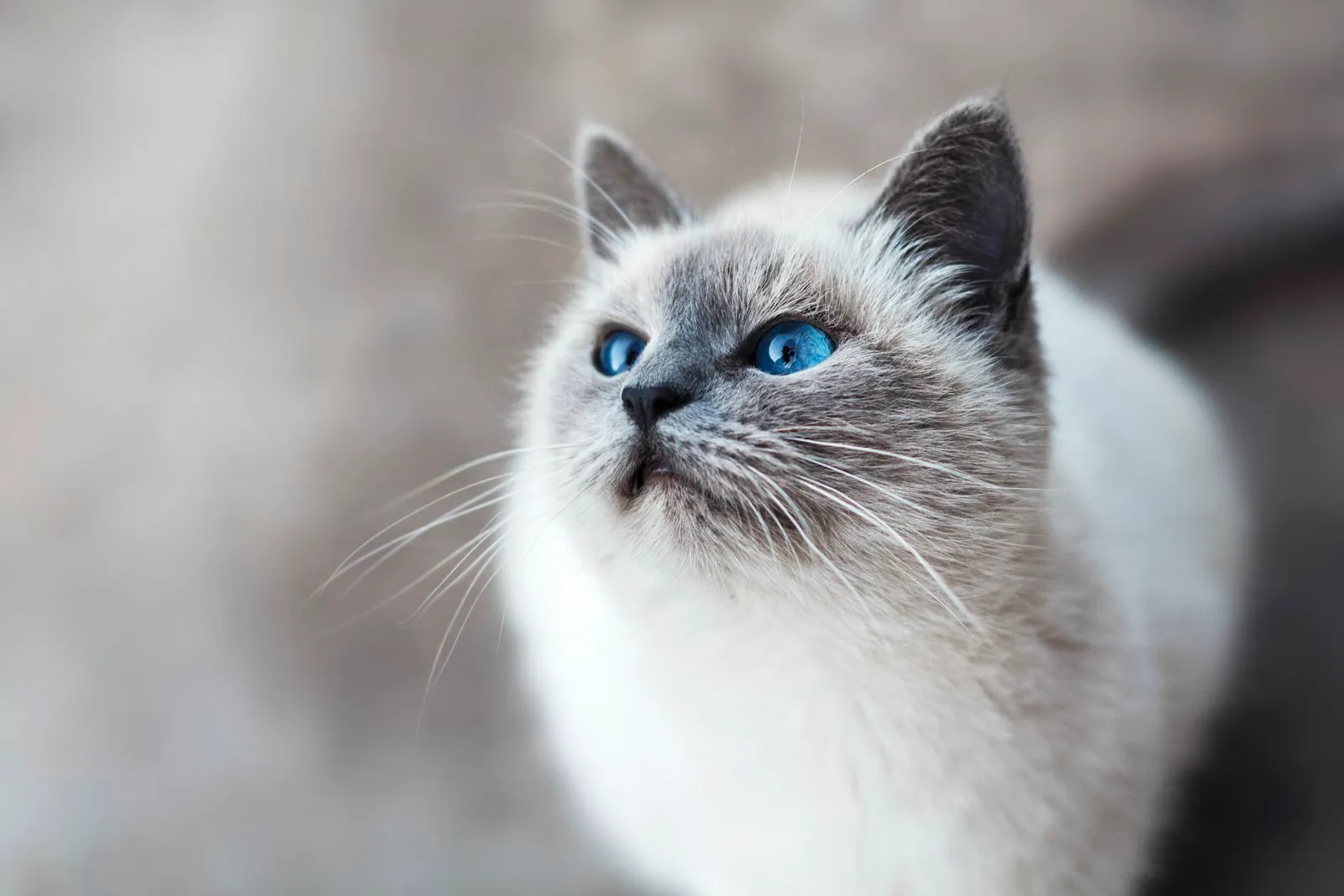
The cat occupies a uniquely ambivalent position in the symbolic vocabulary of English-speaking cultures. Unlike the dog — whose symbolism clusters around loyalty, social bonding, and unconditional devotion — the cat has always resisted full domestication at the level of meaning. It comes and goes on its own terms. This autonomy is the core of its dream symbolism. Psychologically, the cat images the parts of ourselves that cannot be fully socialised: the intuitive faculty that operates below rational deliberation, the erotic or creative energy that refuses to perform on command, the part that withdraws and returns without explanation. The cat's nocturnal nature links it to the unconscious and to everything that operates out of ordinary sight. Its eyes — luminous, pupils dilating and contracting with the light — are traditional symbols of perception beyond the visible, of seeing through surfaces. In folklore and literary tradition, from the Cheshire Cat in Lewis Carroll to T.S. Eliot's characterisations in 'Old Possum's Book of Practical Cats', the cat persistently embodies mystery, self-possession, and the refusal to be entirely knowable. In dreams, this translates to an invitation: the cat asks the dreamer to acknowledge what they know through instinct rather than analysis, and to honour the parts of life — and self — that will not be fully tamed.
Frequently asked questions
- What does it mean to dream of a black cat specifically?
- Black cat dreams carry the strongest cultural charge in English-language tradition, drawing on centuries of association with witchcraft, mystery, and the uncanny. Psychologically, the black cat often functions as a shadow figure — something the dreamer has kept in the dark about themselves. Its appearance at a threshold or in a dark room is usually an invitation to engage with disowned material rather than a straightforward omen of bad luck. The meaning depends heavily on how the dreamer feels toward the cat: dread suggests avoidance; curiosity or affection suggests readiness to integrate.
- Is dreaming about a cat scratching or biting me a bad sign?
- Not necessarily, though it is worth taking seriously. An attacking cat in a dream typically reflects an emotional conflict the dreamer has not yet consciously addressed — often involving someone who presents a friendly or submissive face but whose behaviour has felt covertly hostile. It can also represent the dreamer's own suppressed irritation or anger breaking through. Ann Faraday, in 'The Dream Game', encourages dreamers to ask: who in my waking life behaves the way this cat does in my dream?
- Why do I keep dreaming about cats if I don't own one?
- Dream symbols operate through cultural and psychological resonance, not personal ownership. The cat is a deeply embedded archetype in anglophone culture — literature, folklore, superstition, and digital culture (internet cats) have all reinforced its symbolic weight. Recurring cat dreams usually indicate that the psyche is returning repeatedly to a particular theme: independence, intuition, a relationship dynamic, or a part of the self that demands acknowledgment. Keeping a dream journal and noting what changes across repeated cat dreams often reveals a developing psychological narrative.
Sources and references
- Freud, Sigmund. The Interpretation of Dreams. 1900. (Standard Edition, trans. James Strachey, Hogarth Press, 1953)
- Jung, C.G., and von Franz, M.-L. (eds.). Man and His Symbols. Doubleday, 1964.
- Hall, Calvin S. The Meaning of Dreams. Harper & Brothers, 1953.
- Faraday, Ann. The Dream Game. Harper & Row, 1974.
- Hartmann, Ernest. Dreams and Nightmares: The New Theory on the Origin and Meaning of Dreams. Plenum Trade, 1998.
Comments
…